
“As long as people use automobiles, parking will always be necessary. Addressing parking accidents aligns directly with our vision of a safer mobility future.”
Masaya Kato, General Manager
Goals
AISIN’s vision for automated parking systems stems from a commitment to safety, convenience, and technological innovation aiming to lead the future of vehicle development. The company aims to create transformative solutions that address the real-world challenges facing mobility by leveraging advanced technologies.
Parking lots are complex environments where limited space, poor visibility, and unpredictable movements of pedestrians and vehicles result in accidents. To address these challenges, AISIN set out to:
- Reduce parking-related accidents and protect both drivers and pedestrians through advanced AI-powered sensing technology and vehicle control
- Deliver an intuitive and stress-free parking experience by enabling vehicles to search for and park in available spaces even in complex environments
In pursuing these goals, AISIN is not only enhancing safety but redefining the benchmark for comfortable user experience in parking environments.
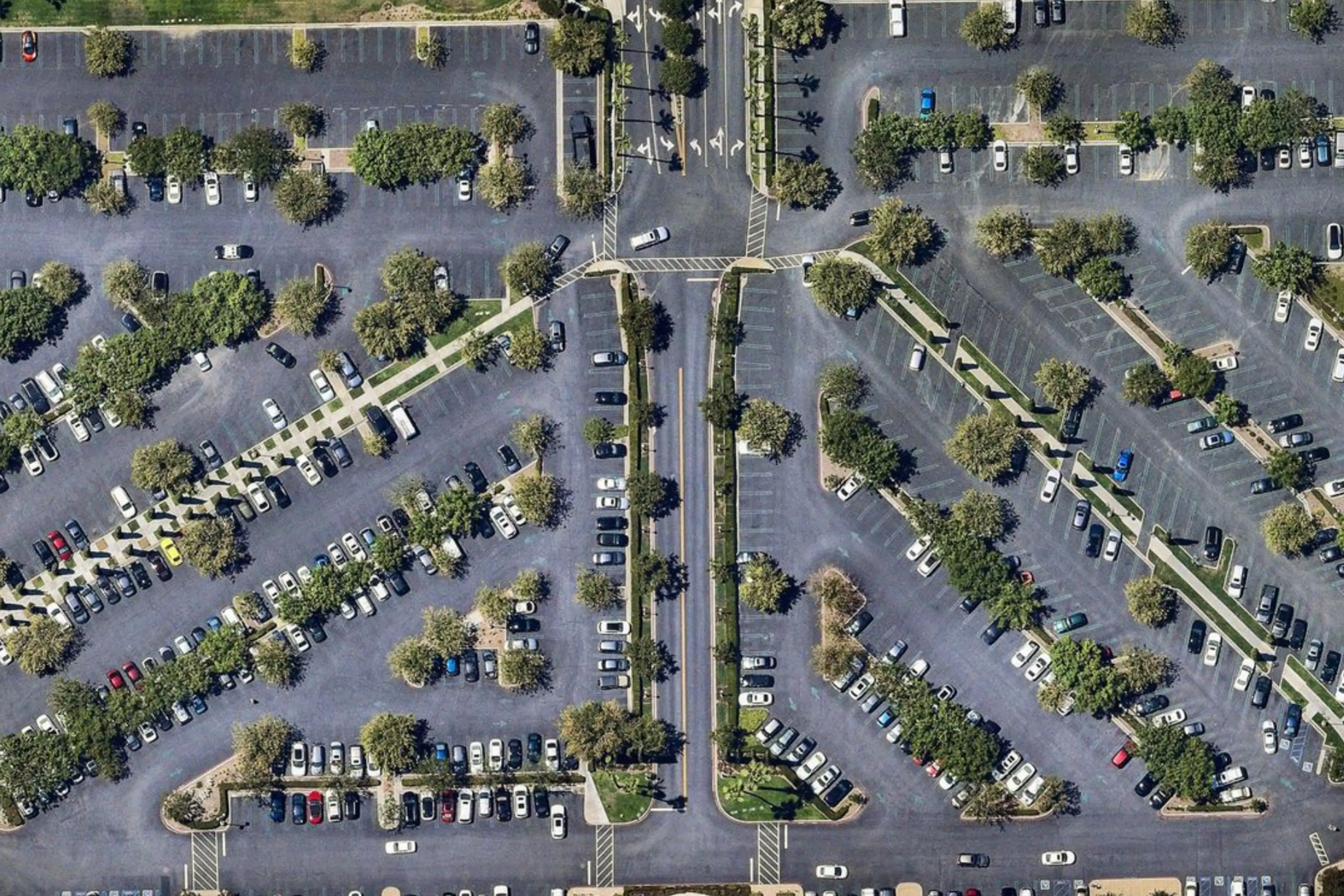
U.S. parking lot contains various complex scenarios
“Verifying automated parking software under real conditions is challenging because it’s extremely difficult to comprehensively test every possible scenario.”
Jun Adachi Engineer
Approach
Traditional testing environments couldn’t effectively reproduce the diverse patterns, edge cases, and rare obstacles found in actual parking lots. AISIN faced significant challenges in ensuring system robustness against factors such as the collection of vast and varied scenario data, changing weather conditions, complex parking lot layouts, and the unpredictable movements of pedestrians.
Simulation-driven development
AISIN integrated Applied Intuition’s ADP solution, specifically emphasizing:
- Sensor simulation: To replicate real-world sensor feedback without the need for physical devices, giving engineers a high-fidelity view of system responses in virtual contexts.
- Object simulation: To model intricate movement of obstacles, vehicles, and pedestrians—even “rare” and “abnormal” scenarios that would otherwise require extensive time and resources to evaluate in the field.
- Cloud collaboration: Scenario sharing and real-time validation with OEM and partners allowed all stakeholders to work from unified data sets, accelerating alignment and reducing rework.
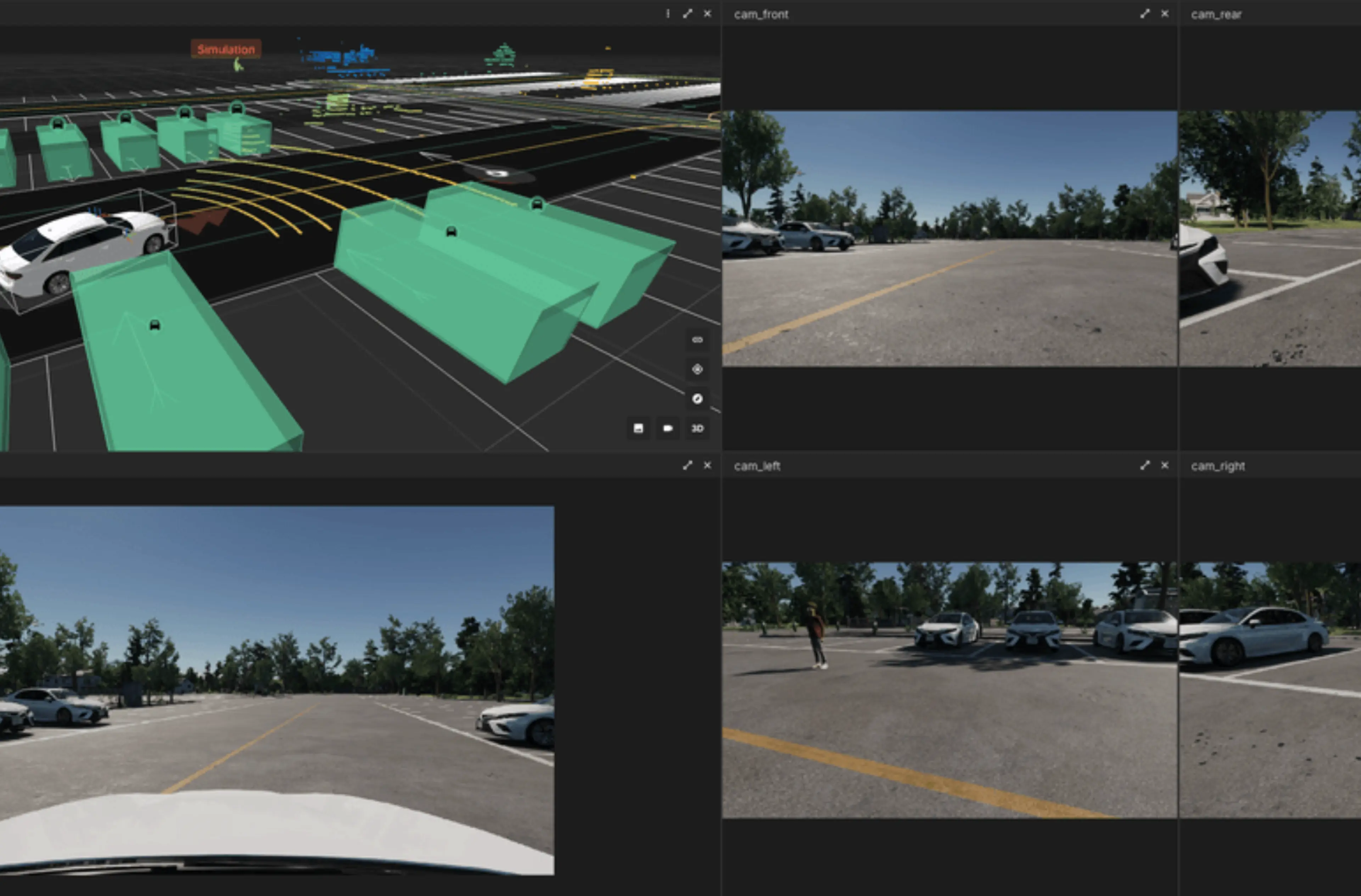
Image 2: Automated parking system verification in the virtual environment
Workflow transformation
AISIN planned simulation as a core “pre-verification” step in the workflow—moving much of the functional validation upstream of physical testing. This change positioned them to confirm robustness and safety earlier and more efficiently.